


What products can be heat-treated in box type furnaces
Jan. 12, 2026
Box type furnaces, known for their efficiency, flexibility, and precise temperature control, are widely used in various industries for heat treatment, especially for small and medium-sized workpieces and in laboratory settings. Here are the core application areas and specific examples of product heat treatment:
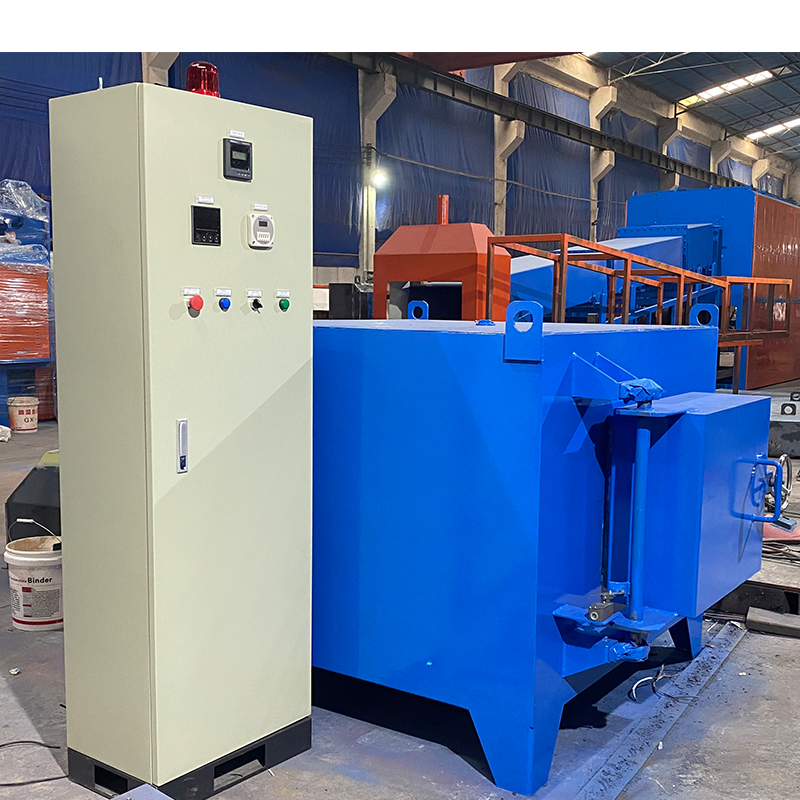
1. Metal Processing Industry
Heat treatment of small workpieces
Application scenarios: Metal parts in the automotive, motorcycle, and construction machinery industries (such as gears, shafts, and springs) need to undergo processes like quenching, tempering, and annealing to enhance hardness and wear resistance.
Advantages: Box type furnaces provide a uniform heating environment, ensuring consistent microstructure and properties of the parts, and preventing deformation or cracking.
Typical cases:
Tool manufacturing: Quenching to increase the hardness of the cutting edge and extend service life.
Bearing production: Annealing to eliminate internal stress and improve material toughness.
Metal material melting and preheating
Application scenarios: Preheating of metal materials in the steel and metallurgical industries before melting and forging.
Advantages: Rapid heating to the target temperature, shortening the production cycle and reducing energy consumption.
Typical cases:
Aluminum alloy forging: Preheating to 400-500°C to improve plasticity and facilitate subsequent forming.
Steel smelting: Preheating scrap steel before melting to reduce smelting time.
2. Electronics Industry
Manufacturing of electronic components
Application scenarios: Production of special materials such as semiconductors, magnetic materials, and high-temperature coatings.
Advantages: Provide an oxygen-free or inert gas protection environment to prevent material oxidation.
Box type furnaces, with their precise temperature control, controllable environment, and operational flexibility, serve as a bridge between traditional manufacturing and advanced technologies. Their application scope continues to expand, and they have great potential in high-end manufacturing fields such as aerospace and biomedicine, making them an indispensable "universal tool" in industrial heat treatment.


