


Can vacuum furnaces be used for tempering heat treatment
Mar. 01, 2026
Vacuum furnaces can indeed be employed for tempering heat treatment, particularly in processes where oxidation, decarburization must be avoided, or where high-precision control is required. Vacuum tempering offers significant advantages in these scenarios. Here is a detailed analysis:
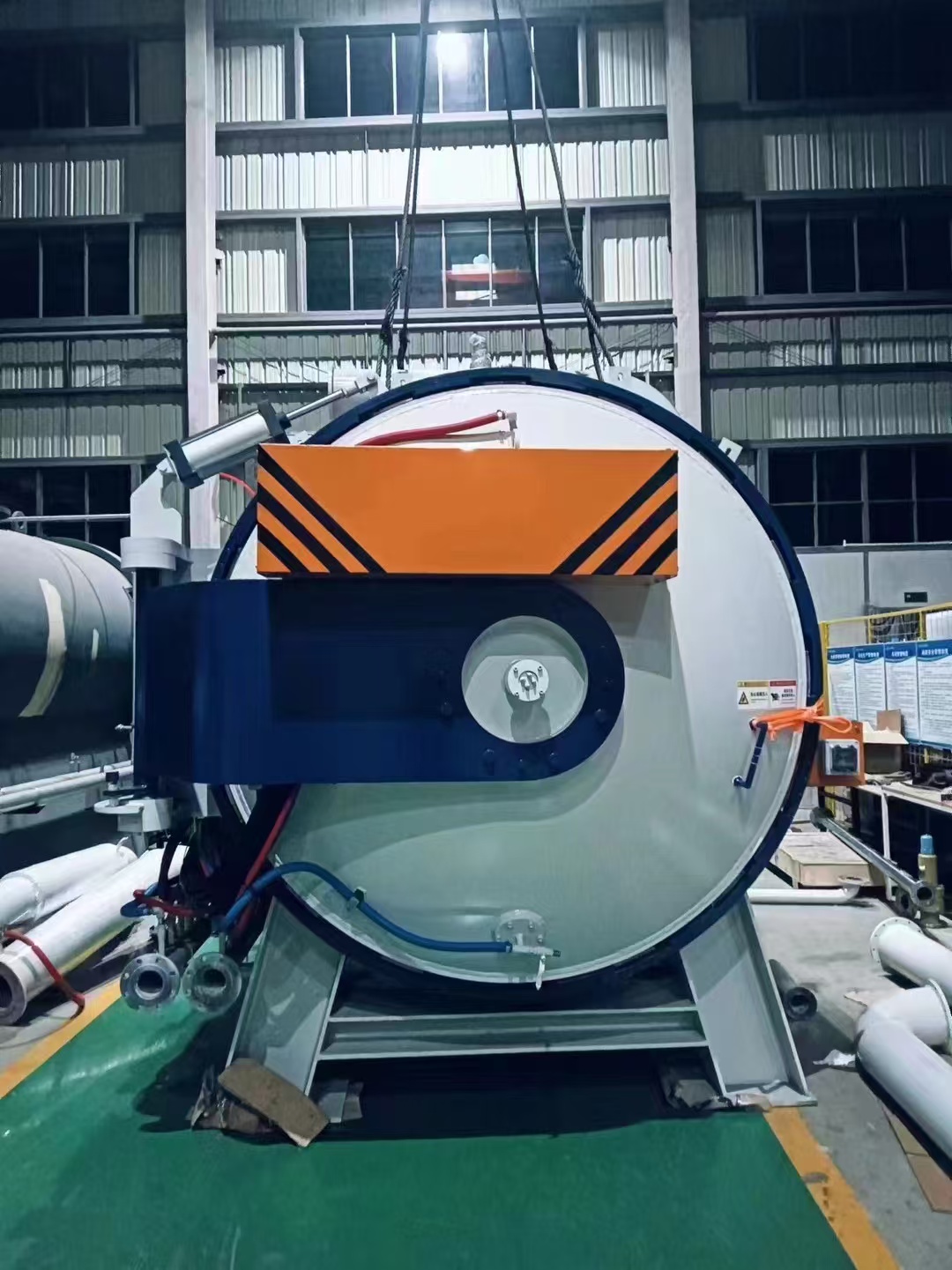
I. Feasibility of Tempering in Vacuum Furnaces
Process Compatibility
Tempering is a crucial step following quenching, aimed at eliminating internal stresses, adjusting hardness, and improving toughness. Vacuum furnaces can precisely meet tempering process requirements by controlling temperature, atmosphere, and time:
Temperature Range: Vacuum furnaces typically cover a tempering temperature range of 150°C to 1200°C, accommodating the needs of various materials (e.g., tool steels, stainless steels, aluminum alloys).
Atmosphere Control: A vacuum environment (or the introduction of inert gases) prevents surface oxidation and decarburization of materials, making it particularly suitable for high-precision parts or workpieces with stringent surface quality requirements.
Typical Application Scenarios
Tool Steel Tempering: For high-speed steels (HSS), die steels (H13), etc., vacuum tempering maintains surface hardness while enhancing toughness and reducing the risk of cracking.
Stainless Steel Tempering: It prevents the formation of oxide scale, preserving surface finish, and is suitable for applications in the food machinery and medical device industries.
Aerospace Components: For titanium alloys, superalloys, etc., vacuum tempering prevents hydrogen embrittlement and ensures stable material properties.
II. Technical Advantages of Vacuum Tempering
Surface Quality Optimization
A vacuum environment (pressure ≤ 10⁻² Pa) effectively inhibits oxidation reactions, avoiding the formation of oxide scale and decarburized layers seen in conventional tempering, thereby reducing the need for subsequent grinding processes and minimizing material loss.
Enhanced Performance Uniformity
Vacuum furnaces employ multi-zone temperature control systems combined with forced circulation heating, achieving temperature uniformity within ±3°C, ensuring consistent performance across all parts of the workpiece.
Process Flexibility
Atmosphere Adjustment: Supports switching between vacuum, inert gases (e.g., nitrogen, argon), or reducing gases (e.g., hydrogen) to accommodate different material requirements.
Rapid Cooling: Some vacuum furnaces are equipped with gas or oil cooling systems, shortening the tempering cycle and improving production efficiency.
III. Comparison Between Vacuum Tempering and Conventional Tempering
Comparison Item | Vacuum Tempering | Conventional Tempering (Air Furnace/Salt Bath Furnace) |
Surface Quality | No oxidation or decarburization; high surface finish | Prone to oxide scale and decarburized layers, requiring subsequent treatment |
Temperature Uniformity | Within ±3°C; good performance consistency | Around ±10°C; significant local performance variations |
Process Cost | High equipment cost, but reduced subsequent grinding and scrap rates may lower overall costs | Low equipment cost, but higher material loss and rework costs |
Applicable Materials | High-precision parts, stainless steels, titanium alloys, superalloys, etc. | Ordinary carbon steels, low-alloy steels, etc., with less stringent surface quality requirements |
Environmental Impact | No exhaust gas or waste residue emissions; compliant with green manufacturing requirements | May generate oxide scale dust, salt bath waste residue, and other pollutants |
IV. Precautions
Equipment Selection: Choose an appropriately sized vacuum furnace (e.g., vertical, horizontal, or continuous) based on workpiece dimensions, material, and production volume.
Process Validation: When using vacuum tempering for the first time, conduct trials to determine the optimal temperature, time, and cooling method.
Safe Operation: Vacuum furnaces are high-pressure equipment; regularly inspect the vacuum system, heating elements, and cooling system to ensure safe operation.


