


How to Select the Type of Heat Treatment Furnace for Quenching 420 Stainless Steel Products
Mar. 02, 2026
When quenching 420 stainless steel products, the following types of heat treatment furnaces can be selected based on production scale, process requirements, and product characteristics:
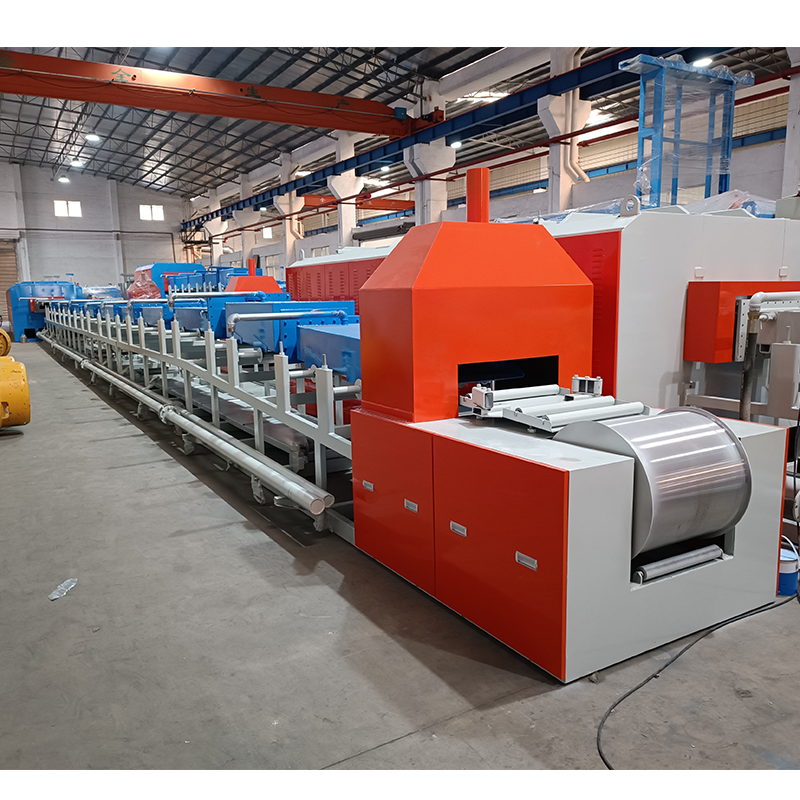
Mesh-belt Conveyor Stainless Steel Bright Quenching Furnace
Applicable Scenarios: Suitable for the mass production of small and medium-sized 420 stainless steel parts (such as self-tapping screws, blades, precision shafts, bearings, etc.).
Advantages:
Continuous Production: Automated operation is achieved through mesh-belt conveying, improving production efficiency.
Protective Atmosphere Control: Quenching is carried out under the protection of inert gases such as nitrogen or argon, preventing oxidation and decarburization and resulting in a high surface finish.
Uniform Heating: The furnace chamber adopts a full-fiber composite structure, offering excellent thermal insulation performance and temperature uniformity within ±5℃.
Energy-saving and Environmentally Friendly: It saves over 40% energy compared to brick-lined furnaces, reducing heat loss and pollutant emissions.
Typical Parameters:
Rated Temperature: 1100℃
Vacuum Quenching Furnace (High-pressure Gas Quenching Type)
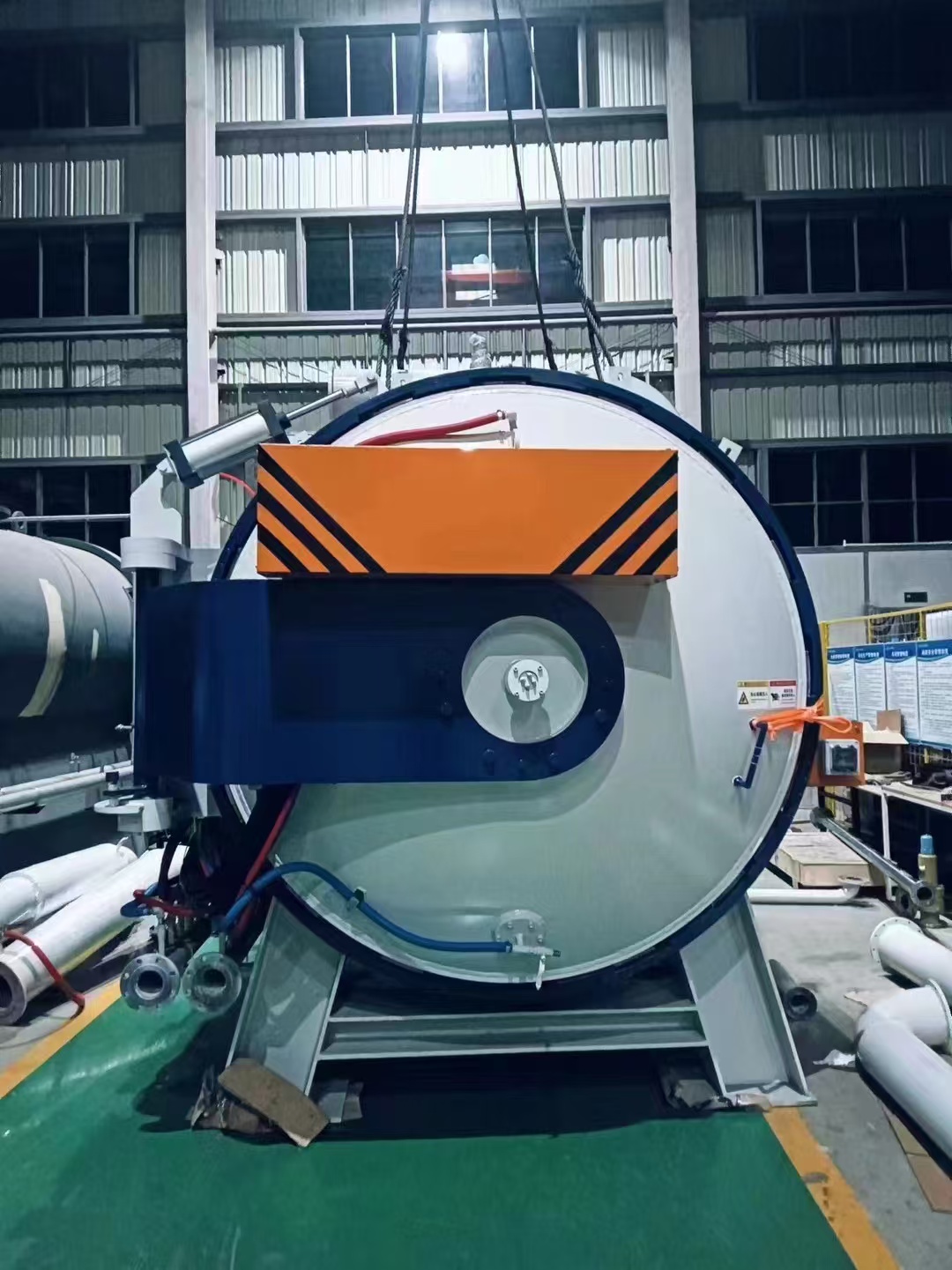
Applicable Scenarios: Suitable for high-precision, high-value-added 420 stainless steel products (such as medical devices, aerospace parts, precision molds, etc.).
Advantages:
Oxidation-free Quenching: Heating in a vacuum environment prevents surface oxidation and decarburization, maintaining material purity.
High-pressure Gas Quenching: High-pressure nitrogen or argon (adjustable pressure from 0.8 to 10 bar, extendable to 20 bar) is introduced, achieving a cooling rate of 50-100℃/s and reducing deformation.
Temperature Uniformity: Multi-zone independent temperature control technology ensures a temperature difference within ±5℃ inside the furnace, ensuring quenching quality.
Clean and Environmentally Friendly: No oil contamination or fire risk, meeting environmental protection requirements.
Typical Parameters:
Maximum Temperature: 1300℃
Gas Cooling Pressure: 0.8-10 bar (extendable to 20 bar)
Cooling Rate: 50-100℃/s
Pit-type Gas Carburizing Quenching Furnace
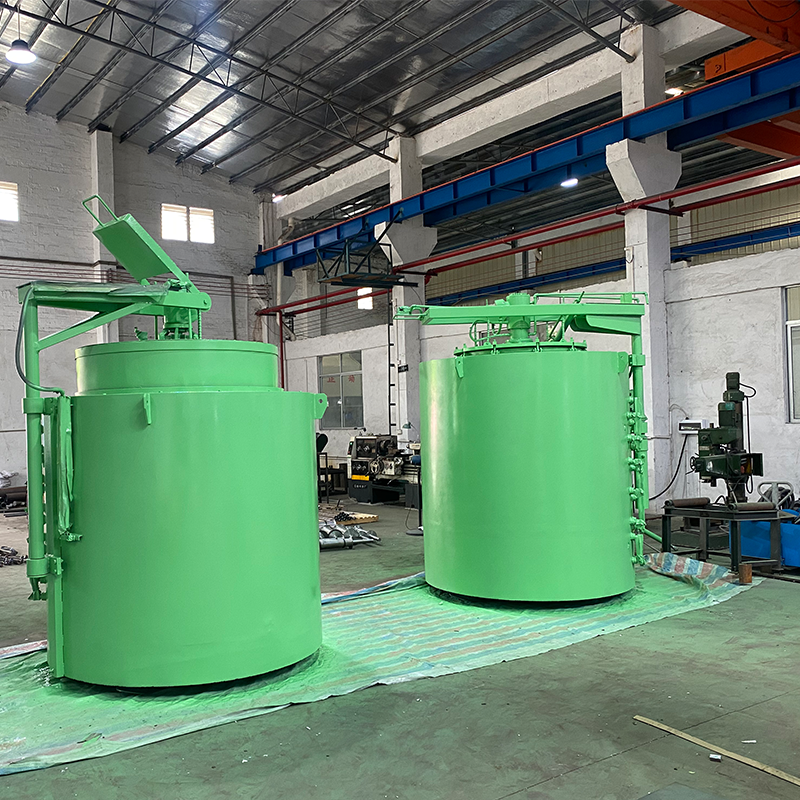
Applicable Scenarios: Suitable for 420 stainless steel parts requiring carburizing treatment (such as gears, bearings, etc.) or scenarios with strict deformation control requirements.
Advantages:
Vertical Heating: Workpieces are suspended vertically, reducing deformation caused by gravity.
Atmosphere Control: Gases such as methanol and propane can be introduced for carburizing treatment, improving surface hardness.
Excellent Sealing Performance: The furnace cover adopts a hydraulic lifting design, offering excellent sealing performance and reducing heat loss.
Flexible Operation: Suitable for single-piece or small-batch production, with manual or automatic control options.
Typical Parameters:
Rated Temperature: 950℃
Heating Power: Customized according to furnace chamber size
Furnace Chamber Size: Diameter 1.5m × Height 2m (customizable)
Selection Recommendations
For mass production of small parts: Prioritize the mesh-belt type bright quenching furnace for a balance of efficiency and quality.
For high-precision, high-value-added products: Choose the vacuum quenching furnace to ensure oxidation-free and minimal deformation.
For parts requiring carburizing treatment: Select the pit-type gas carburizing quenching furnace to meet surface hardening requirements.


